Burke's Review

All Articles

Rigorous philosophical essays by sixth-form students across the UK.

7 articles

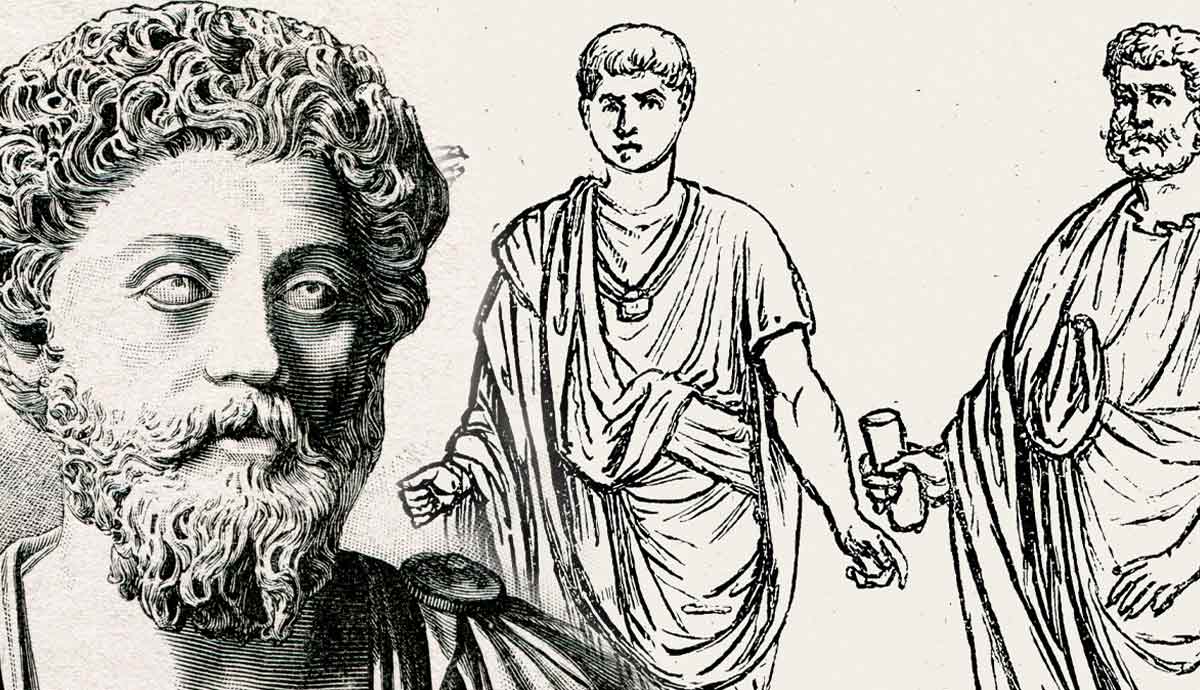
What Consolations does Philosophy Offer?
Philosophy of Religion

What Consolations does Philosophy Offer?

Explores the consolations that philosophy can/cannot offer us through the views of Boethius, as well as themes such as Death, Existentialism and Stoicism.

Eddy Thom

Eton College

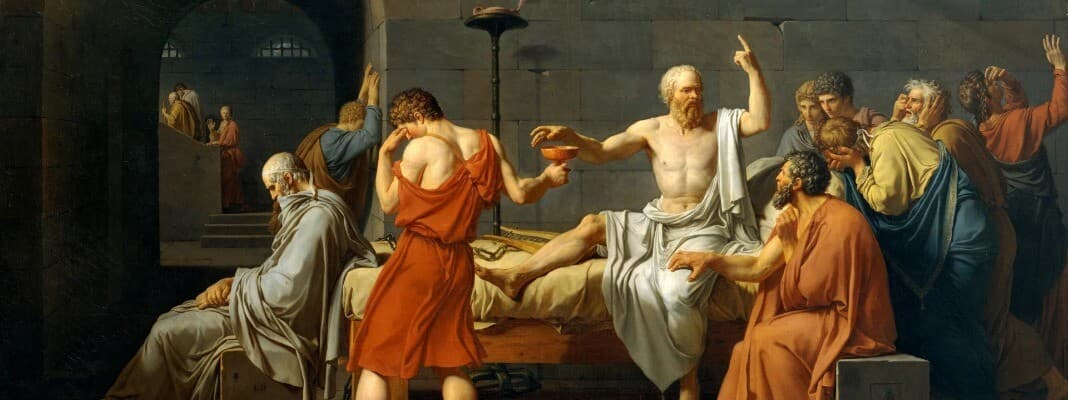
Does Philosophy Have Authority Over Faith?
Epistemology

Does Philosophy Have Authority Over Faith?

“Does Philosophy Have Authority Over Faith? “What indeed has Athens to do with Jerusalem? When the early Church writer Tertullian posed this question in De praesciptione haereticorum, it appeared as more than a declaration of hostility between two rivalling authorities. “At…

Nathan Wong

Eton College

To what extent is the knowledge of God possible?
Epistemology

To what extent is the knowledge of God possible?

The question of whether, and specifically to what extent, knowledge of God is possible lies at the intersection of epistemology and philosophical theology – questioning the metaphysics of divine reality and its criteria for justified belief within human cognition.

Victor Guan

Eton College

Cosmic Harmony and Moral Character: Music, Philosophy and the Soul in Al-Kindi and Al-Farabi
Aesthetics

Cosmic Harmony and Moral Character: Music, Philosophy and the Soul in Al-Kindi and Al-Farabi
This article is about the link between music, philosophy, and how it can shape moral character. It emphasizes the importance of aesthetics within religion (specifically Islam in this context).

Musa Abd Halim

Eton College

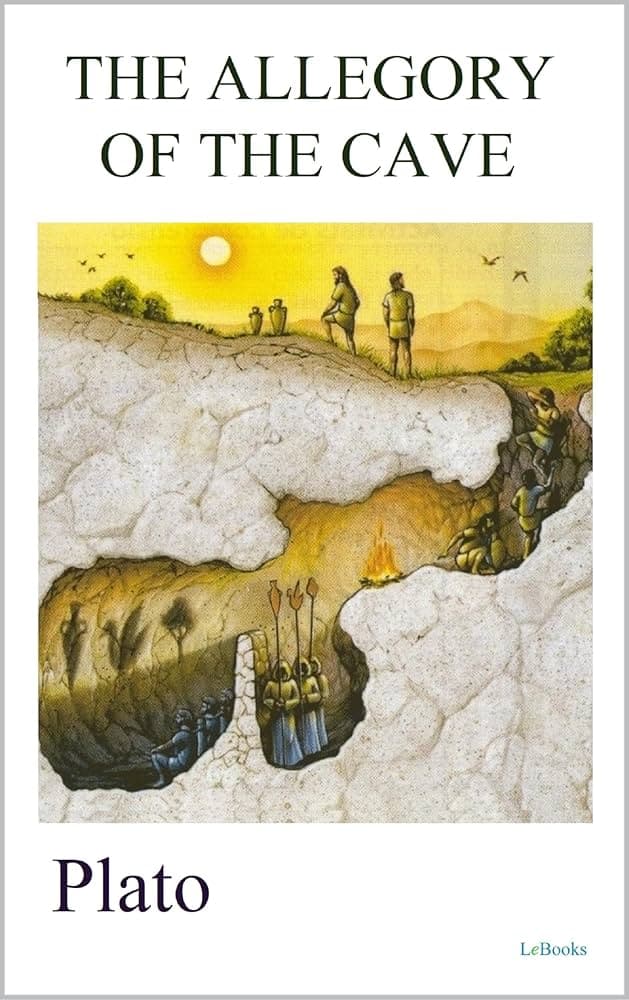
Plato's Cave and the Social Media Condition
Epistemology

Plato's Cave and the Social Media Condition

Two and a half millennia before the algorithm, Plato described a group of people who mistook shadows for reality and punished the one among them who escaped into the light. The resemblance to contemporary digital life is not coincidental — it is philosophically precise.

Amara Osei

King Edward VI College, Birmingham

Liberty and Its Limits: A Millian Analysis of the 'Cancel 
  Culture' Debate
Political Philosophy

Liberty and Its Limits: A Millian Analysis of the 'Cancel Culture' Debate

John Stuart Mill's harm principle was designed to protect the individual from the 'tyranny of prevailing opinion'. Over 160 years later, his framework remains the most powerful — and most misunderstood — tool for navigating contemporary debates about speech and social sanction.

Sophie Chen

Westminster School, London

The Trolley Problem Revisited: Moral Intuition in the Age 
  of Autonomous Vehicles
Ethics

The Trolley Problem Revisited: Moral Intuition in the Age of Autonomous Vehicles

As self-driving cars move from thought experiment to city street, the philosophical puzzles of the twentieth century have become urgent engineering questions. What can Philippa Foot and Judith Jarvis Thomson teach Silicon Valley?

James Harrison

St Paul's School, London